Seamless Repeating Background: A Practical Solution for Design and Development
In the world of web design and digital media, creating visually appealing and efficient backgrounds is a common challenge. One powerful technique that has gained popularity among designers and developers is the use of seamless repeating background. This method allows for the creation of continuous, tileable patterns that can be applied to websites, applications, or other digital projects without visible seams or disruptions. Whether you're working with simple geometric shapes or more complex designs like isometric vehicles, cars, buses, and trucks, understanding how to implement a seamless repeating background can significantly enhance both aesthetics and performance.
What Is a Seamless Repeating Background?
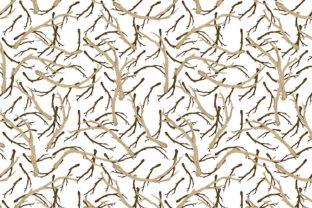
A seamless repeating background refers to a pattern that is designed in such a way that it can be repeated across a surface without any noticeable breaks or misalignments. The key to achieving this effect lies in ensuring that the edges of the pattern align perfectly with each other when tiled. This means that the left edge of the pattern should match the right edge, and the top edge should match the bottom edge, allowing for an uninterrupted visual flow.
This technique is especially useful when working with large-scale designs where manually drawing every part of the background would be impractical. By using a seamless repeating background, designers can maintain consistency while reducing file size and improving loading times.
Challenges and Goals in Creating a Seamless Repeating Background
Designing a seamless repeating background requires careful planning and attention to detail. One of the primary challenges is ensuring that the pattern repeats smoothly without distortion. If not done correctly, the repetition can result in visible seams, which can break the illusion of a continuous design.
Another challenge is maintaining visual interest while keeping the pattern cohesive. While a seamless background can create a sense of depth and texture, it must also remain engaging enough to support the content it surrounds. This is particularly important when using more intricate designs, such as those featuring isometric vehicles, cars, buses, and trucks.
The main goals of using a seamless repeating background are typically twofold: to enhance the visual appeal of a design and to optimize performance. By using a single, repeatable image instead of multiple separate elements, designers can reduce the overall file size and improve the efficiency of their projects.
How Does a Seamless Repeating Background Help?
A seamless repeating background offers several benefits that make it an ideal choice for many design scenarios. First and foremost, it allows for the creation of dynamic and immersive environments without the need for extensive assets. This is particularly useful in areas such as gaming, virtual reality, and interactive media, where background textures play a crucial role in setting the scene.
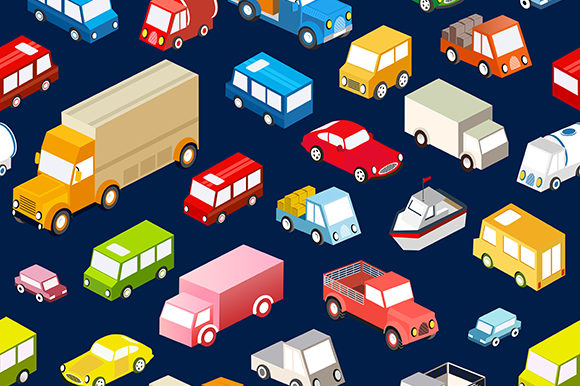
Additionally, seamless backgrounds can help create a sense of movement or motion within a static design. For example, by using a background that features a series of moving isometric vehicles, you can simulate the effect of a busy road or cityscape without the need for animation. This not only enhances the user experience but also reduces the complexity of the design.
From a technical standpoint, seamless backgrounds are also beneficial because they can be easily scaled and adapted to different screen sizes and resolutions. This makes them highly versatile and suitable for a wide range of applications, from mobile websites to desktop applications.
Practical Applications of Seamless Repeating Backgrounds
One of the most common applications of a seamless repeating background is in the design of isometric vehicles, cars, buses, and trucks. These types of designs often require a sense of depth and realism, which can be achieved through the use of layered textures and repeating patterns. For instance, a background that features a series of isometric cars on a road can create the illusion of a continuously flowing traffic stream, enhancing the visual impact of the design.
Another practical application is in the development of user interfaces. By using a seamless background, designers can create a more engaging and immersive experience for users. This is especially true in applications such as dashboards, data visualization tools, and interactive simulations, where a consistent and visually appealing background can significantly improve usability.
Furthermore, seamless backgrounds are often used in branding and marketing materials. They provide a professional and polished look that can help reinforce a brand's identity while maintaining a clean and modern aesthetic.
Considerations When Using a Seamless Repeating Background
While seamless repeating backgrounds offer numerous advantages, there are several considerations that should be taken into account when implementing them. First and foremost, the design must be carefully crafted to ensure that the repetition does not create visual clutter or distractions. It is important to strike a balance between detail and simplicity to maintain the effectiveness of the background.
Another consideration is the resolution and quality of the image. High-quality images are essential to ensure that the background remains sharp and clear at all sizes. Additionally, the background should be optimized for performance, as large files can negatively impact loading times and user experience.
Finally, it is important to consider the context in which the background will be used. Depending on the project, the level of detail and complexity may vary. For example, a background used in a mobile app may require a simpler design compared to one used in a high-end game or simulation.
Conclusion
Using a seamless repeating background is a powerful technique that can greatly enhance the visual appeal and functionality of digital projects. Whether you're working with simple patterns or more complex designs involving isometric vehicles, cars, buses, and trucks, the ability to create a seamless, tileable background can make a significant difference in the final outcome.
By understanding the principles behind seamless backgrounds and considering the various factors that influence their implementation, designers and developers can create more effective and engaging experiences for their audiences. With the right approach, a seamless repeating background can become an essential tool in your design toolkit, helping you achieve both aesthetic and functional goals with ease.