Dry Tree Branch Repeat Pattern: A Creative and Practical Design Trend
In the ever-evolving world of design and digital creativity, patterns have always played a pivotal role in shaping visual identity, branding, and user experience. One such pattern that has recently gained traction among designers, marketers, and entrepreneurs is the Dry Tree Branch Repeat Pattern. This intricate and nature-inspired design not only offers aesthetic appeal but also aligns with broader creative and consumer trends. In this article, we explore what the Dry Tree Branch Repeat Pattern is, why it's gaining attention, and how it can be effectively integrated into various industries.
What Is the Dry Tree Branch Repeat Pattern?
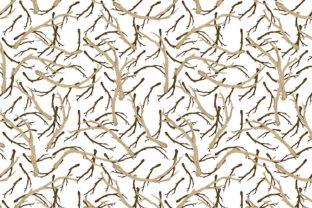
The Dry Tree Branch Repeat Pattern is a type of design motif that features stylized, repeated elements of dry tree branches. These patterns are typically created using vector graphics or digital illustration tools and are designed to repeat seamlessly across surfaces, making them ideal for backgrounds, textiles, packaging, and digital interfaces.
Unlike traditional floral or geometric patterns, the Dry Tree Branch Repeat Pattern draws inspiration from natural textures and organic forms. It captures the essence of autumn, decay, and resilience—themes that resonate deeply with contemporary audiences. The repetition of branch-like shapes creates a sense of rhythm and continuity, which is both visually engaging and emotionally evocative.
Designing with the Dry Tree Branch Repeat Pattern
Creating a Dry Tree Branch Repeat Pattern involves careful consideration of scale, spacing, and color. Designers often use EPS files (Encapsulated PostScript) for high-quality vector output, ensuring scalability without loss of detail. Additionally, JPEG files provide a convenient format for web use, allowing for quick loading and easy integration into digital platforms.
- EPS Files: Ideal for print and high-resolution applications due to their vector-based nature.
- JPEG Files: Suitable for online use, especially when paired with optimized compression settings.
Whether you're designing a website background, creating a brand identity, or developing product packaging, the Dry Tree Branch Repeat Pattern offers versatility and adaptability. Its minimalist yet expressive style makes it a popular choice for both modern and rustic aesthetics.
Why Is the Dry Tree Branch Repeat Pattern Gaining Attention?
The rise in popularity of the Dry Tree Branch Repeat Pattern can be attributed to several factors, including shifting consumer preferences, evolving design trends, and the growing emphasis on sustainability and authenticity in branding.
Consumer Trends and Preferences
Today’s consumers are increasingly drawn to designs that reflect nature, simplicity, and emotional resonance. The Dry Tree Branch Repeat Pattern taps into this sentiment by offering a visual language that feels grounded and authentic. It speaks to a desire for connection with the natural world, even in a digital age.
Moreover, the pattern’s association with seasons like autumn and winter resonates with lifestyle and seasonal marketing efforts. Brands and creators are leveraging this trend to craft campaigns that feel timely and relevant to current events and cultural shifts.
Design Industry Trends
In the design industry, there's a clear shift toward minimalism, texture, and subtle storytelling. The Dry Tree Branch Repeat Pattern fits seamlessly into this movement by combining visual interest with a narrative depth that goes beyond surface-level aesthetics.
Additionally, the pattern’s ability to be adapted across multiple mediums—from print to digital—makes it a valuable asset for cross-platform design strategies. Its scalability and flexibility allow it to be used in everything from social media assets to physical products, enhancing its overall utility.
Practical Applications of the Dry Tree Branch Repeat Pattern
The Dry Tree Branch Repeat Pattern is not just an artistic concept—it's a practical tool that can be applied across a wide range of industries and creative projects. Here are some real-world examples of its use:
1. Branding and Identity
Brands looking to convey a sense of nature, sustainability, or rustic charm can incorporate the Dry Tree Branch Repeat Pattern into their logos, stationery, and packaging. For instance, eco-friendly product lines or artisanal food brands often use this pattern to reinforce their values and connect with their audience on a deeper level.
2. Web and Digital Design
For websites and digital interfaces, the pattern can serve as a subtle background element that enhances visual appeal without overwhelming the user. It’s particularly effective in e-commerce sites, lifestyle blogs, and wellness platforms where a calming, earthy aesthetic is desired.
3. Product Packaging
Product packaging is another area where the Dry Tree Branch Repeat Pattern shines. Whether it's for candles, skincare products, or home decor items, the pattern adds a unique touch that differentiates the product in a competitive market. It also supports branding efforts by reinforcing a consistent visual identity across all touchpoints.
4. Textiles and Home Decor
In the realm of textiles and interior design, the pattern can be used to create fabrics, wall art, and decorative accessories. Its organic and timeless quality makes it a versatile choice for both modern and traditional spaces.
How to Get Started with the Dry Tree Branch Repeat Pattern
If you're interested in incorporating the Dry Tree Branch Repeat Pattern into your work, here are some steps to get started:
- Research and Inspiration: Explore existing examples of the pattern to understand its structure and application. Look for variations in scale, color, and composition.
- Design Tools: Use vector graphic software like Adobe Illustrator or free alternatives like Inkscape to create your own version of the pattern.
- Export Formats: Save your design in both EPS and JPEG formats to ensure compatibility across different platforms and uses.
- Testing and Refinement: Experiment with different layouts and color palettes to find the best fit for your project.
By following these steps, you can create a custom Dry Tree Branch Repeat Pattern that aligns with your creative vision and meets the needs of your target audience.
Conclusion
The Dry Tree Branch Repeat Pattern represents more than just a design trend—it's a reflection of contemporary values, consumer behavior, and creative innovation. As businesses and creators continue to seek meaningful connections with their audiences, this pattern offers a powerful way to communicate authenticity, sustainability, and emotional resonance.
Whether you're a designer, marketer, entrepreneur, or enthusiast, the Dry Tree Branch Repeat Pattern provides a versatile and impactful solution for a wide range of applications. By understanding its relevance and exploring its potential, you can harness this trend to elevate your work and stay ahead in an ever-changing creative landscape.