Mandala Vector Art Pattern 136: A Versatile Design for Creative and Practical Applications
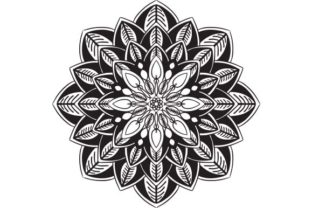
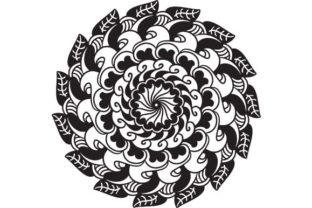
Mandala Vector Art Pattern 136 is a unique geometric design that blends intricate symmetry with a calming aesthetic. This pattern is not just visually appealing—it serves as a versatile tool across multiple industries and creative projects. Whether you're a graphic designer, a hobbyist, or someone looking to incorporate art into your daily life, this vector pattern offers endless possibilities.
What Makes Mandala Vector Art Pattern 136 Special?
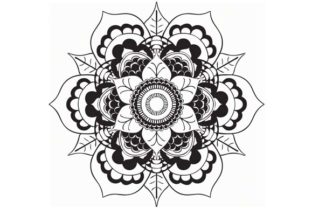
At its core, Mandala Vector Art Pattern 136 is a digital vector file designed for scalability and adaptability. Unlike traditional images, vector graphics maintain clarity at any size, making them ideal for use in print and digital media. The pattern features a complex yet harmonious layout of interlocking shapes, circles, and lines, creating a sense of balance and order.
The design’s versatility lies in its structure. It can be easily customized using design software such as Adobe Illustrator, CorelDRAW, or Inkscape. With the availability of AI, EPS, and JPG formats, users can integrate it into various platforms—from social media posts to high-resolution prints—without compromising quality.
Real-World Use Cases for Mandala Vector Art Pattern 136
One of the most common applications of Mandala Vector Art Pattern 136 is in branding and packaging design. Many businesses use mandalas as a symbol of mindfulness and balance, which aligns well with wellness-focused brands, eco-friendly products, and spiritual services. For example, a yoga studio might incorporate this pattern into their logo or promotional materials to evoke a sense of tranquility and focus.
In the world of interior design, this pattern can be used as a wallpaper or textile motif. Its intricate details add visual interest without overwhelming the space. Home décor companies often use similar patterns to create custom wall art, cushions, and bedding sets that appeal to modern and minimalist aesthetics.
For digital content creators, Mandala Vector Art Pattern 136 can serve as a background element in videos, presentations, or social media posts. It adds a subtle yet engaging layer to visual storytelling, especially in content related to spirituality, self-care, and personal growth.
How Different Users Can Benefit from Mandala Vector Art Pattern 136
Graphic designers and illustrators may find this pattern useful as a base for more complex illustrations or as a repeating element in larger compositions. It allows for creative experimentation while maintaining a cohesive visual language.
Freelancers and small business owners who need quick, high-quality visuals for marketing materials can benefit from the ease of customization. The ability to edit the pattern in vector format means they can tailor it to match their brand identity without needing advanced design skills.
Art enthusiasts and educators can also leverage this pattern. It can be used in art classes to teach geometry, symmetry, and color theory. Additionally, it can be incorporated into meditation apps or mindfulness exercises as a visual aid to help users relax and focus.
Considerations Before Using Mandala Vector Art Pattern 136
Before incorporating Mandala Vector Art Pattern 136 into your projects, consider the intended audience and purpose. While the pattern is universally appealing, its meaning and perception can vary depending on cultural context. For instance, some cultures view mandalas as sacred symbols, so it's important to ensure appropriate usage in commercial or public settings.
Additionally, think about the scale and resolution at which the pattern will be used. Since it is a vector file, it can be scaled infinitely without loss of quality, but when converted to raster formats like JPG, the resolution must be carefully managed to avoid pixelation.
Another consideration is licensing. If you are purchasing the pattern from a marketplace or a designer, make sure to review the terms of use. Some files may have restrictions on commercial use or require attribution, which can impact how you apply the design in your work.
Strengths and Limitations of Mandala Vector Art Pattern 136
The primary strength of Mandala Vector Art Pattern 136 is its adaptability. It can be seamlessly integrated into a wide range of design projects, from branding to digital content creation. Its clean, structured design also makes it easy to modify, allowing for creative flexibility.
However, one potential limitation is that the pattern can become overwhelming if overused. In certain contexts, such as minimalistic web designs, the complexity of the mandala might detract from the overall aesthetic. It’s important to use it thoughtfully and in moderation to maintain visual harmony.
Moreover, while the pattern is highly customizable, it may require some technical knowledge to edit effectively. Beginners might find it challenging to adjust colors, line thicknesses, or spacing without affecting the overall composition. Fortunately, many design tutorials and online resources can help guide users through the process.
Practical Examples and Observations
One practical example of Mandala Vector Art Pattern 136 in action is its use in a wellness app’s interface. The pattern was applied as a subtle background for meditation sessions, helping users feel more grounded and focused. The result was a visually soothing experience that enhanced user engagement.
Another observation comes from a boutique clothing brand that used the pattern in a limited edition collection. By printing the mandala on fabric, they created a unique product that resonated with customers interested in both fashion and mindfulness. The pattern became a signature element of their brand identity.
These examples highlight how Mandala Vector Art Pattern 136 can be adapted to meet diverse needs while maintaining its core essence. Whether used in a professional setting or a personal project, the pattern has the potential to inspire creativity and convey meaningful messages.