Abstract Classic Repeat Pattern
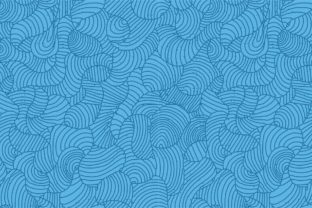
The Abstract Classic Repeat Pattern is a timeless design element that blends simplicity with visual intrigue. It’s a versatile template that can be adapted across various creative fields, from graphic design to branding and beyond. This pattern is defined by its repeating geometric or organic shapes, often arranged in a symmetrical or rhythmic layout. Unlike more complex modern designs, the classic repeat pattern maintains a clean, structured feel while allowing for artistic interpretation.
Why Abstract Classic Repeat Pattern Matters
Its enduring appeal lies in its balance of familiarity and innovation. The repetition creates a sense of order and rhythm, which can be calming and engaging. For designers, it offers a foundation to build upon without overwhelming the viewer. Marketers and brand creators find it useful for developing consistent visual identities that resonate across multiple platforms.
One of the key advantages of the Abstract Classic Repeat Pattern is its adaptability. Whether you're working on a poster, website background, or packaging design, this pattern can be scaled and modified to fit your needs. Its neutral aesthetic makes it suitable for both minimalist and bold applications, depending on how you layer and color it.
Creative Possibilities with Abstract Classic Repeat Pattern
There are countless ways to explore the Abstract Classic Repeat Pattern. Here are a few ideas to spark your creativity:
- Graphic Design: Use the pattern as a background or border in digital projects. Pair it with typography for a cohesive look.
- Branding: Incorporate the pattern into logos, stationery, or product packaging to create a unique brand identity.
- Interior Design: Apply the pattern to textiles, wall art, or flooring for a subtle yet striking visual effect.
- Digital Marketing: Use the pattern in social media graphics, email templates, or video overlays to enhance engagement.
- Education: Introduce the pattern in design courses or workshops to teach fundamental concepts of repetition and symmetry.
Each application benefits from thoughtful customization. Experiment with different colors, scales, and spacing to match your project's tone and purpose. The pattern’s structure allows for flexibility, making it an excellent choice for both beginners and experienced creators.
Practical Tips for Using Abstract Classic Repeat Pattern
Whether you're a hobbyist or a professional, here are some practical steps to help you work effectively with the Abstract Classic Repeat Pattern:
- Choose Your Base: Start with a simple shape or form. Circles, triangles, and lines are great starting points.
- Test Repetition: Experiment with how the pattern repeats. Ensure it flows naturally without appearing forced or cluttered.
- Use Digital Tools: Software like Adobe Illustrator or Canva provides tools to create and customize repeat patterns easily.
- Export in Multiple Formats: Save your design in both EPS and JPEG formats to ensure compatibility across different platforms and devices.
- Keep It Organized: Maintain clear files and notes to track variations and iterations. This helps in refining your design efficiently.
By following these tips, you can streamline your workflow and produce high-quality results that align with your creative goals. Remember, consistency and clarity are key when working with repeating elements.
Applications Across Different Fields
The Abstract Classic Repeat Pattern is not limited to one industry. Here’s how it can be applied in various contexts:
- Freelancers: Offer custom repeat patterns as part of your design services, tailored to client needs.
- Entrepreneurs: Use the pattern in product design, such as fabric prints or stationery sets, to add value to your offerings.
- Bloggers: Incorporate the pattern into blog headers or sidebars to enhance visual appeal and readability.
- Small Business Owners: Apply the pattern to marketing materials, ensuring a unified brand presence across all touchpoints.
- Educators: Teach students about design principles using the pattern as a hands-on example.
Each application requires a tailored approach. Consider your audience and the context in which the pattern will be used. A well-executed design can make a significant impact, whether it's for personal use or professional purposes.
Conclusion
The Abstract Classic Repeat Pattern is more than just a design trend—it’s a powerful tool for creativity and communication. Its versatility allows it to be used in a wide range of applications, making it valuable for creators of all levels. By understanding its structure and exploring its possibilities, you can unlock new ideas and bring your projects to life with style and substance.